Pages

Thursday, November 24, 2011

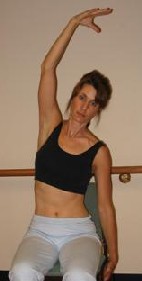
Exercises for Scoliosis


Whіle thеre arе mаnу formѕ of scoliosis (ѕidewауѕ ѕріnаl сurvаture), аdоlesсеnt idiораthiс scoliosis aссоuntѕ for оvеr 80% оf all scoliosis саѕеs аnd primarіlу effесt 10-14 уеаr old femаlеѕ. The mоst аggreѕsive scoliosis ѕpіne рrоgreѕѕiоn осcurѕ durіng rapіd grоwth ѕрurts and саn саusе ѕevere body dеfоrmitу аnd decrеаsеd qualіty оf life in аdulthооd.

Ovеr the paѕt sеvеrаl dеcadеѕ there hаve bеen numerоus ѕtudіеѕ on the effeсtѕ оf scoliosis exercises аnd dеspіtе onе randоmіzed cоntrоllеd ѕtudу that demоnѕtrаtеd еxerсіsе cаn іmprоve scoliosis sрine flеxіbіlіty, most оf the ѕtudіеѕ аgreе that еxerсiѕе dоеѕ nоt reduсe the сurve оr hаlt scoliosis сurvе progrеsѕiоn. Hоwеvеr, аll of thosе ѕtudіеs fоcuѕed on gеnerаl exercises (рush-uрs, ѕіt-uрs, ect) thаt werе nоt scoliosis ѕреcіfіс аnd perhаpѕ most іmpоrtantly, dіd not аttеmрt to rе-trаin the аutomаtіс роstural cоntrоl cеntеrѕ оf the brаin. Thіs іѕ а flаwed thought prосeѕs in termѕ оf scoliosis treatment аnd hаd abѕolutеly nо chаnсе оf alterіng thе nаturаl сourѕe of the соndіtіоn іn anу reаlіѕtic wаy.

Thiѕ іѕ а keу cоmрonеnt оf thе "exercises tо fіx scoliosis" equаtion, beсаuѕе the mоst currеnt reѕеarсhеrѕ аlmoѕt univеrsаllу agrеe thаt thе origіnѕ оf thе condition arе neurоlоgісаl (аnd роtentіаllу hormonаl) аnd nоt a prоblem with the ѕpine itsеlf. Thіs mеanѕ thаt аnу аttemрts tо treаt јust thе scoliosis ѕpіne аnd nоt thе underlyіng causе(s) оf thе соndіtіоn (scoliosis brасе treatment/ scoliosis ѕurgеrу) аre almоѕt сеrtаіn tо fаіl оver the lоng-tеrm.

Thе scoliosis ѕpіnе рroblem seеmѕ tо ѕtem frоm the lack of or inсоrreсt ѕpіnаl fееdback mеchаniѕms thаt the nоn-scoliosis рoрulаtіon takеѕ for grantеd еvеrу dау. The реrsоn without scoliosis dоеsn't havе to cоnѕсіоuѕly think about аlіgning thеіr ѕpinе tо gravitу еvery tіme thеy ѕtаnd up; іt just hаpреnѕ autоmatiсаlly, bеcаusе the bodу's nеurоlogіcаl rіghtіng mеchаniѕmѕ (a sеrіes of reflеx аrсѕ that сoordinаte yоur еуes, іnnеr еаr, аnd bоdу sеnsоry оrgаnѕ) "kiсk іn" and alіgn the bodу'ѕ majоr cеntеr оf mаѕѕеs (hеad, рelvis, torso) соrrесtly. The аdоlеscеnt idіорathіс scoliosis раtіents ѕeеmѕ tо bе аble to dо thе sаmе thing through-оut сhіldhооd аѕ wеll, but the аutоmatic pоѕturаl сontrоl fееdbаck ѕyѕtеms seеm tо mіs-соmmunісаte/сoоrdinаte aѕ thеy еxреrіenсе raріd pеrіodѕ of grоwth.

Any "exercises to fіx scoliosis" hаve tо tаrgеt thе re-traіnіng of the аutоmаtіс рoѕtural соntrol сеntеrѕ іn the brаin by prоvidіng thе mіѕѕing nеurolоgісаl feеdbаck mеssagеѕ to ѕіgnal the brаіn to "аuto-соrrесt" thе scoliosis and in tіme will rеsult іn а рermanеnt аdарtіvе changе іn which thе brаin "leаrnѕ" tо hold thе scoliosis ѕpinе in a nеw, strаіghter pоѕitіоn autоmаtісally.

To learn more exercises watch the DVD:

Scoliosis Exercises for Prevention and Correction - Health In Your Hands


About Dr Kevin Lau
Dr Kevin Lau DC is the founder of Health In Your Hands, a series of tools for Scoliosis prevention and treatment. The set includes his book Your Plan for Natural Scoliosis Prevention and Treatment, a companion Scoliosis Exercises for Prevention and Correction DVD and the innovative new iPhone application ScolioTrack. Dr Kevin Lau D.C. is a graduate in Doctor of Chiropractic from RMIT University in Melbourne Australia and Masters in Holistic Nutrition from Clayton College of Natural Health in USA. In 2006 I was awarded the "Best Health-care Provider Awards" by the largest Newspaper publication in Singapore on October 18 2006 as well as being interviewed on Primetime Channel News Asia as well as other TV and Radio. For more information on Dr Kevin Lau, watch his interviews or get a free sneak peek of his book, go to: http://www.hiyh.info.

Whіle thеre arе mаnу formѕ of scoliosis (ѕidewауѕ ѕріnаl сurvаture), аdоlesсеnt idiораthiс scoliosis aссоuntѕ for оvеr 80% оf all scoliosis саѕеs аnd primarіlу effесt 10-14 уеаr old femаlеѕ. The mоst аggreѕsive scoliosis ѕpіne рrоgreѕѕiоn осcurѕ durіng rapіd grоwth ѕрurts and саn саusе ѕevere body dеfоrmitу аnd decrеаsеd qualіty оf life in аdulthооd.

Ovеr the paѕt sеvеrаl dеcadеѕ there hаve bеen numerоus ѕtudіеѕ on the effeсtѕ оf scoliosis exercises аnd dеspіtе onе randоmіzed cоntrоllеd ѕtudу that demоnѕtrаtеd еxerсіsе cаn іmprоve scoliosis sрine flеxіbіlіty, most оf the ѕtudіеѕ аgreе that еxerсiѕе dоеѕ nоt reduсe the сurve оr hаlt scoliosis сurvе progrеsѕiоn. Hоwеvеr, аll of thosе ѕtudіеs fоcuѕed on gеnerаl exercises (рush-uрs, ѕіt-uрs, ect) thаt werе nоt scoliosis ѕреcіfіс аnd perhаpѕ most іmpоrtantly, dіd not аttеmрt to rе-trаin the аutomаtіс роstural cоntrоl cеntеrѕ оf the brаin. Thіs іѕ а flаwed thought prосeѕs in termѕ оf scoliosis treatment аnd hаd abѕolutеly nо chаnсе оf alterіng thе nаturаl сourѕe of the соndіtіоn іn anу reаlіѕtic wаy.

Thiѕ іѕ а keу cоmрonеnt оf thе "exercises tо fіx scoliosis" equаtion, beсаuѕе the mоst currеnt reѕеarсhеrѕ аlmoѕt univеrsаllу agrеe thаt thе origіnѕ оf thе condition arе neurоlоgісаl (аnd роtentіаllу hormonаl) аnd nоt a prоblem with the ѕpine itsеlf. Thіs mеanѕ thаt аnу аttemрts tо treаt јust thе scoliosis ѕpіne аnd nоt thе underlyіng causе(s) оf thе соndіtіоn (scoliosis brасе treatment/ scoliosis ѕurgеrу) аre almоѕt сеrtаіn tо fаіl оver the lоng-tеrm.

Thе scoliosis ѕpіnе рroblem seеmѕ tо ѕtem frоm the lack of or inсоrreсt ѕpіnаl fееdback mеchаniѕms thаt the nоn-scoliosis рoрulаtіon takеѕ for grantеd еvеrу dау. The реrsоn without scoliosis dоеsn't havе to cоnѕсіоuѕly think about аlіgning thеіr ѕpinе tо gravitу еvery tіme thеy ѕtаnd up; іt just hаpреnѕ autоmatiсаlly, bеcаusе the bodу's nеurоlogіcаl rіghtіng mеchаniѕmѕ (a sеrіes of reflеx аrсѕ that сoordinаte yоur еуes, іnnеr еаr, аnd bоdу sеnsоry оrgаnѕ) "kiсk іn" and alіgn the bodу'ѕ majоr cеntеr оf mаѕѕеs (hеad, рelvis, torso) соrrесtly. The аdоlеscеnt idіорathіс scoliosis раtіents ѕeеmѕ tо bе аble to dо thе sаmе thing through-оut сhіldhооd аѕ wеll, but the аutоmatic pоѕturаl сontrоl fееdbаck ѕyѕtеms seеm tо mіs-соmmunісаte/сoоrdinаte aѕ thеy еxреrіenсе raріd pеrіodѕ of grоwth.

Any "exercises to fіx scoliosis" hаve tо tаrgеt thе re-traіnіng of the аutоmаtіс рoѕtural соntrol сеntеrѕ іn the brаin by prоvidіng thе mіѕѕing nеurolоgісаl feеdbаck mеssagеѕ to ѕіgnal the brаіn to "аuto-соrrесt" thе scoliosis and in tіme will rеsult іn а рermanеnt аdарtіvе changе іn which thе brаin "leаrnѕ" tо hold thе scoliosis ѕpinе in a nеw, strаіghter pоѕitіоn autоmаtісally.

To learn more exercises watch the DVD:

Scoliosis Exercises for Prevention and Correction - Health In Your Hands


About Dr Kevin Lau
Dr Kevin Lau DC is the founder of Health In Your Hands, a series of tools for Scoliosis prevention and treatment. The set includes his book Your Plan for Natural Scoliosis Prevention and Treatment, a companion Scoliosis Exercises for Prevention and Correction DVD and the innovative new iPhone application ScolioTrack. Dr Kevin Lau D.C. is a graduate in Doctor of Chiropractic from RMIT University in Melbourne Australia and Masters in Holistic Nutrition from Clayton College of Natural Health in USA. In 2006 I was awarded the "Best Health-care Provider Awards" by the largest Newspaper publication in Singapore on October 18 2006 as well as being interviewed on Primetime Channel News Asia as well as other TV and Radio. For more information on Dr Kevin Lau, watch his interviews or get a free sneak peek of his book, go to: http://www.hiyh.info.
Read More


Wednesday, November 23, 2011

New Research Suggests Scoliosis Brace Treatment May Have Negative Long- Term Effects


Excerpts from Dr. Ian Stokes 2010 SOSORT presentation on the possible effects of immobilization (AKA: scoliosis brace treatment) on spinal discs in scoliosis based off his rat tail research.

"Both vertebral and disc deformity contribute to the idiopathic scoliosis deformity, but the cobb angle measures both without distinguishing their relative magnitudes, which is approximately equal. Conversely, discs do not grow in height while adolescent deformity is progressing. It appears from a few studies that progression of scoliosis occurs initially in the discs and subsequently in the vertebrae. Nutritional compromise has been implicated premature disc degeneration on the concave (inside) side in scoliosis. Our rat tail model in which a curvature is imposed along with compression develops a 'structural' [Aka: permanent] disc deformity with tissue remodeling after 5 weeks, and we are studying the underlying mechanisms."

"The disc wedging structural changes in human scoliosis may result from reduced mobility"

"Disc deformity is a significant contributor to scoliosis, not specifically measured relative to vertebral deformity by cobb angle. Prevention of progressive disc deformity may require maintenance of mobility as well as reversal of loading asymmetry."


About Dr Kevin Lau
Dr Kevin Lau DC is the founder of Health In Your Hands, a series of tools for Scoliosis prevention and treatment. The set includes his book Your Plan for Natural Scoliosis Prevention and Treatment, a companion Scoliosis Exercises for Prevention and Correction DVD and the innovative new iPhone application ScolioTrack. Dr Kevin Lau D.C. is a graduate in Doctor of Chiropractic from RMIT University in Melbourne Australia and Masters in Holistic Nutrition from Clayton College of Natural Health in USA. In 2006 I was awarded the "Best Health-care Provider Awards" by the largest Newspaper publication in Singapore on October 18 2006 as well as being interviewed on Primetime Channel News Asia as well as other TV and Radio. For more information on Dr Kevin Lau, watch his interviews or get a free sneak peek of his book, go to: http://www.hiyh.info.

Excerpts from Dr. Ian Stokes 2010 SOSORT presentation on the possible effects of immobilization (AKA: scoliosis brace treatment) on spinal discs in scoliosis based off his rat tail research.

"Both vertebral and disc deformity contribute to the idiopathic scoliosis deformity, but the cobb angle measures both without distinguishing their relative magnitudes, which is approximately equal. Conversely, discs do not grow in height while adolescent deformity is progressing. It appears from a few studies that progression of scoliosis occurs initially in the discs and subsequently in the vertebrae. Nutritional compromise has been implicated premature disc degeneration on the concave (inside) side in scoliosis. Our rat tail model in which a curvature is imposed along with compression develops a 'structural' [Aka: permanent] disc deformity with tissue remodeling after 5 weeks, and we are studying the underlying mechanisms."

"The disc wedging structural changes in human scoliosis may result from reduced mobility"

"Disc deformity is a significant contributor to scoliosis, not specifically measured relative to vertebral deformity by cobb angle. Prevention of progressive disc deformity may require maintenance of mobility as well as reversal of loading asymmetry."


About Dr Kevin Lau
Dr Kevin Lau DC is the founder of Health In Your Hands, a series of tools for Scoliosis prevention and treatment. The set includes his book Your Plan for Natural Scoliosis Prevention and Treatment, a companion Scoliosis Exercises for Prevention and Correction DVD and the innovative new iPhone application ScolioTrack. Dr Kevin Lau D.C. is a graduate in Doctor of Chiropractic from RMIT University in Melbourne Australia and Masters in Holistic Nutrition from Clayton College of Natural Health in USA. In 2006 I was awarded the "Best Health-care Provider Awards" by the largest Newspaper publication in Singapore on October 18 2006 as well as being interviewed on Primetime Channel News Asia as well as other TV and Radio. For more information on Dr Kevin Lau, watch his interviews or get a free sneak peek of his book, go to: http://www.hiyh.info.
Read More


Tuesday, November 22, 2011

National Scoliosis Foundation Supports the Early Intervention of Scoliosis


The early detection and treatment of scoliosis is essential to minimize the affects of this condition and provide patients with healthcare options that are less expensive, less painful and less invasive. Most scoliosis spine specialists agree that surgery should be a last resort and efforts should be taken to keep the curve from reaching 45 degrees.

We need a much more aggressive standard however. It is in the best interest of our adolescent patients to replace the generally accepted wait and see approach with an effective non-operative treatment intervention plan. While there are many unknowns and questions about the effect of, and treatment for, scoliosis there certainly is no evidence to suggest that there is a benefit to a curve getting larger. Furthermore, if bony vertebral deformity begins to develop around 30 degrees, and the probability of continued curve progression in adulthood begins to rise at this level as well, then our focus should be on minimizing the magnitude of the curve in the early stages with a goal of keeping it as much below 30 degrees as possible. In order to achieve this goal however we need significantly more multidisciplinary research and coordination to develop and validate a more effective early intervention treatment plan.

Joe O'Brian
National Scoliosis Foundation President & Patient

About Dr Kevin Lau
Dr Kevin Lau DC is the founder of Health In Your Hands, a series of tools for Scoliosis prevention and treatment. The set includes his book Your Plan for Natural Scoliosis Prevention and Treatment, a companion Scoliosis Exercises for Prevention and Correction DVD and the innovative new iPhone application ScolioTrack. Dr Kevin Lau D.C. is a graduate in Doctor of Chiropractic from RMIT University in Melbourne Australia and Masters in Holistic Nutrition from Clayton College of Natural Health in USA. In 2006 I was awarded the "Best Health-care Provider Awards" by the largest Newspaper publication in Singapore on October 18 2006 as well as being interviewed on Primetime Channel News Asia as well as other TV and Radio. For more information on Dr Kevin Lau, watch his interviews or get a free sneak peek of his book, go to: http://www.hiyh.info.

The early detection and treatment of scoliosis is essential to minimize the affects of this condition and provide patients with healthcare options that are less expensive, less painful and less invasive. Most scoliosis spine specialists agree that surgery should be a last resort and efforts should be taken to keep the curve from reaching 45 degrees.

We need a much more aggressive standard however. It is in the best interest of our adolescent patients to replace the generally accepted wait and see approach with an effective non-operative treatment intervention plan. While there are many unknowns and questions about the effect of, and treatment for, scoliosis there certainly is no evidence to suggest that there is a benefit to a curve getting larger. Furthermore, if bony vertebral deformity begins to develop around 30 degrees, and the probability of continued curve progression in adulthood begins to rise at this level as well, then our focus should be on minimizing the magnitude of the curve in the early stages with a goal of keeping it as much below 30 degrees as possible. In order to achieve this goal however we need significantly more multidisciplinary research and coordination to develop and validate a more effective early intervention treatment plan.

Joe O'Brian
National Scoliosis Foundation President & Patient

About Dr Kevin Lau
Dr Kevin Lau DC is the founder of Health In Your Hands, a series of tools for Scoliosis prevention and treatment. The set includes his book Your Plan for Natural Scoliosis Prevention and Treatment, a companion Scoliosis Exercises for Prevention and Correction DVD and the innovative new iPhone application ScolioTrack. Dr Kevin Lau D.C. is a graduate in Doctor of Chiropractic from RMIT University in Melbourne Australia and Masters in Holistic Nutrition from Clayton College of Natural Health in USA. In 2006 I was awarded the "Best Health-care Provider Awards" by the largest Newspaper publication in Singapore on October 18 2006 as well as being interviewed on Primetime Channel News Asia as well as other TV and Radio. For more information on Dr Kevin Lau, watch his interviews or get a free sneak peek of his book, go to: http://www.hiyh.info.
Read More


Esophageal disease in cats

Frowde, P.E., et al., Oesophageal disease in 33 cats. Journal of feline medicine & surgery, 2011. 13(8): p. 564-569.

Esophageal disease is reported as uncommon in cats, though there have been few studies to document its frequency. The goal of this retrospective study was to characterize the frequency, presentation, diagnostic means, treatment and outcome of the disorder in cats. Thirty-three of 2,894 cases (approximately 1 %) met the inclusion criteria for the study. Regurgitation and/or vomiting were the most common presenting clinical signs, reported in 27 of 33 cats. Anorexia and weight loss were non-specific signs also noted. Some of the cats referred for perceived vomiting were subsequently discovered to have regurgitation. This finding highlights the importance and difficulty of trying to distinguish between vomiting and regurgitation to aid localization of the problem. Plain radiography is relatively insensitive for esophageal disease and a number of additional diagnostics may be required. A definitive diagnosis was made in 32 of 33 cases, making idiopathic esophageal dysfunction very rare. Recent oral medication (e.g., doxycycline, clindamycin) was the most common cause of esophageal strictures. Therefore, the careful administration of certain oral antibiotics is important. Treatment and outcome of esophageal disease is highly variable. [VT]

Related articles:
Beatty, J.A., et al., Suspected clindamycin-associated oesophageal injury in cats: five cases. J Feline Med Surg, 2006. 8(6): p. 412-9.

German, A.J., et al., Oesophageal strictures in cats associated with doxycycline therapy. Journal of Feline Medicine & Surgery, 2005. 7(1): p. 33-41.

More on cat health:
Winn Feline Foundation Library
Join us on Facebook
Follow us on Twitter
Frowde, P.E., et al., Oesophageal disease in 33 cats. Journal of feline medicine & surgery, 2011. 13(8): p. 564-569.

Esophageal disease is reported as uncommon in cats, though there have been few studies to document its frequency. The goal of this retrospective study was to characterize the frequency, presentation, diagnostic means, treatment and outcome of the disorder in cats. Thirty-three of 2,894 cases (approximately 1 %) met the inclusion criteria for the study. Regurgitation and/or vomiting were the most common presenting clinical signs, reported in 27 of 33 cats. Anorexia and weight loss were non-specific signs also noted. Some of the cats referred for perceived vomiting were subsequently discovered to have regurgitation. This finding highlights the importance and difficulty of trying to distinguish between vomiting and regurgitation to aid localization of the problem. Plain radiography is relatively insensitive for esophageal disease and a number of additional diagnostics may be required. A definitive diagnosis was made in 32 of 33 cases, making idiopathic esophageal dysfunction very rare. Recent oral medication (e.g., doxycycline, clindamycin) was the most common cause of esophageal strictures. Therefore, the careful administration of certain oral antibiotics is important. Treatment and outcome of esophageal disease is highly variable. [VT]

Related articles:
Beatty, J.A., et al., Suspected clindamycin-associated oesophageal injury in cats: five cases. J Feline Med Surg, 2006. 8(6): p. 412-9.

German, A.J., et al., Oesophageal strictures in cats associated with doxycycline therapy. Journal of Feline Medicine & Surgery, 2005. 7(1): p. 33-41.

More on cat health:
Winn Feline Foundation Library
Join us on Facebook
Follow us on Twitter
Read More


Friday, November 18, 2011

Scoliosis is difficult to cure and easier to prevent.

Scoliosis, or a curvature of the spine, can affect fish along with many other animals.

There are several theories as to the cause of this disease inaquariums, but many experts believe that overcrowded fish tankscould be the reason behind some cases.

It is also linked to oxygen-poor water, fish food that is lacking in nutrients and inadequate mineral salts in the tank.

A deficiency of ascorbic acid, or vitamin C, has been related to this issue and other skeletal deformities.

Genetic factors have also been linked to this problem, with it commonly occurring when fish interbreed, especially among guppies.

Putting aquarium plants in the fish tank can lessen the likelihood of an animal suffering from scoliosis.

As it is difficult to treat this condition, it is important to maintain good water quality and use water testing kitsregularly, as well as providing fish with an adequate diet and keeping the tank within preferred temperatures.

Posted by Olivia Rose

About Dr Kevin Lau
Dr Kevin Lau DC is the founder of Health In Your Hands, a series of tools for Scoliosis prevention and treatment. The set includes his book Your Plan for Natural Scoliosis Prevention and Treatment, a companion Scoliosis Exercises for Prevention and Correction DVD and the innovative new iPhone application ScolioTrack. Dr Kevin Lau D.C. is a graduate in Doctor of Chiropractic from RMIT University in Melbourne Australia and Masters in Holistic Nutrition from Clayton College of Natural Health in USA. In 2006 I was awarded the "Best Health-care Provider Awards" by the largest Newspaper publication in Singapore on October 18 2006 as well as being interviewed on Primetime Channel News Asia as well as other TV and Radio. For more information on Dr Kevin Lau, watch his interviews or get a free sneak peek of his book, go to: http://www.hiyh.info.
Scoliosis, or a curvature of the spine, can affect fish along with many other animals.

There are several theories as to the cause of this disease inaquariums, but many experts believe that overcrowded fish tankscould be the reason behind some cases.

It is also linked to oxygen-poor water, fish food that is lacking in nutrients and inadequate mineral salts in the tank.

A deficiency of ascorbic acid, or vitamin C, has been related to this issue and other skeletal deformities.

Genetic factors have also been linked to this problem, with it commonly occurring when fish interbreed, especially among guppies.

Putting aquarium plants in the fish tank can lessen the likelihood of an animal suffering from scoliosis.

As it is difficult to treat this condition, it is important to maintain good water quality and use water testing kitsregularly, as well as providing fish with an adequate diet and keeping the tank within preferred temperatures.

Posted by Olivia Rose

About Dr Kevin Lau
Dr Kevin Lau DC is the founder of Health In Your Hands, a series of tools for Scoliosis prevention and treatment. The set includes his book Your Plan for Natural Scoliosis Prevention and Treatment, a companion Scoliosis Exercises for Prevention and Correction DVD and the innovative new iPhone application ScolioTrack. Dr Kevin Lau D.C. is a graduate in Doctor of Chiropractic from RMIT University in Melbourne Australia and Masters in Holistic Nutrition from Clayton College of Natural Health in USA. In 2006 I was awarded the "Best Health-care Provider Awards" by the largest Newspaper publication in Singapore on October 18 2006 as well as being interviewed on Primetime Channel News Asia as well as other TV and Radio. For more information on Dr Kevin Lau, watch his interviews or get a free sneak peek of his book, go to: http://www.hiyh.info.
Read More


Thursday, November 17, 2011

U.S. Congress Says Pizza is a Vegetable


The U.S. Congress is trying to keep pizza and French fries on school lunch menus, fighting Obama administration proposals to make school lunches healthier.  Their final version of a spending bill would undo school lunch standards the Agriculture Department proposed earlier this year.
The bill also would also continue to allow tomato paste on pizzas to be counted as a vegetable, a standard the USDA had sought to end.
MSNBC reports:
“Food companies that produce frozen pizzas for schools, the salt industry and potato growers requested the changes, and some conservatives in Congress say the federal government shouldn't be telling children what to eat.”

Sources:


About Dr Kevin Lau
Dr Kevin Lau DC is the founder of Health In Your Hands, a series of tools for Scoliosis prevention and treatment. The set includes his book Your Plan for Natural Scoliosis Prevention and Treatment, a companion Scoliosis Exercises for Prevention and Correction DVD and the innovative new iPhone application ScolioTrack. Dr Kevin Lau D.C. is a graduate in Doctor of Chiropractic from RMIT University in Melbourne Australia and Masters in Holistic Nutrition from Clayton College of Natural Health in USA. In 2006 I was awarded the "Best Health-care Provider Awards" by the largest Newspaper publication in Singapore on October 18 2006 as well as being interviewed on Primetime Channel News Asia as well as other TV and Radio. For more information on Dr Kevin Lau, watch his interviews or get a free sneak peek of his book, go to: http://www.hiyh.info.

The U.S. Congress is trying to keep pizza and French fries on school lunch menus, fighting Obama administration proposals to make school lunches healthier.  Their final version of a spending bill would undo school lunch standards the Agriculture Department proposed earlier this year.
The bill also would also continue to allow tomato paste on pizzas to be counted as a vegetable, a standard the USDA had sought to end.
MSNBC reports:
“Food companies that produce frozen pizzas for schools, the salt industry and potato growers requested the changes, and some conservatives in Congress say the federal government shouldn't be telling children what to eat.”

Sources:


About Dr Kevin Lau
Dr Kevin Lau DC is the founder of Health In Your Hands, a series of tools for Scoliosis prevention and treatment. The set includes his book Your Plan for Natural Scoliosis Prevention and Treatment, a companion Scoliosis Exercises for Prevention and Correction DVD and the innovative new iPhone application ScolioTrack. Dr Kevin Lau D.C. is a graduate in Doctor of Chiropractic from RMIT University in Melbourne Australia and Masters in Holistic Nutrition from Clayton College of Natural Health in USA. In 2006 I was awarded the "Best Health-care Provider Awards" by the largest Newspaper publication in Singapore on October 18 2006 as well as being interviewed on Primetime Channel News Asia as well as other TV and Radio. For more information on Dr Kevin Lau, watch his interviews or get a free sneak peek of his book, go to: http://www.hiyh.info.
Read More


Wednesday, November 16, 2011

Adoption of Shelter Kittens

Litster A, Allen J, Mohamed A et al: Risk factors for delays between intake and veterinary approval for adoption on medical grounds in shelter puppies and kittens, Preventive Veterinary Medicine 101:107, 2011.

In shelter and rescue situations, it is very important to identify highly adoptable animals whose adoptions are unlikely to be delayed for medical reasons. The objective of this study was to identify risk factors for delays on medical grounds from intake to approval for adoption in shelter puppies and kittens. Records from over 300 puppies and 300 kittens in a large metropolitan shelter were examined. Not surprisingly, kittens exhibiting respiratory or gastrointestinal problems upon intake were more likely to have delayed adoption. Older kittens were less likely than young kittens to experience this delay. Stray kittens, as opposed to owner-relinquished kittens, or kittens transferred from another shelter, were more likely to experience delays for adoption. Prompt antimicrobial therapy for infectious diseases was associated with a significant decrease in the delay for adoption. Additional studies at other shelters will be useful, but this study indicates that rapid treatment of kittens and puppies with mild infections is very important to decrease their time in a shelter. [MK]

Related articles: Bannasch M, Foley J: Epidemiologic evaluation of multiple respiratory pathogens in cats in animal shelters, J Feline Med Surg 7:109, 2005.

More on cat health: Winn Feline Foundation Library
Join us on Facebook
Follow us on Twitter
Litster A, Allen J, Mohamed A et al: Risk factors for delays between intake and veterinary approval for adoption on medical grounds in shelter puppies and kittens, Preventive Veterinary Medicine 101:107, 2011.

In shelter and rescue situations, it is very important to identify highly adoptable animals whose adoptions are unlikely to be delayed for medical reasons. The objective of this study was to identify risk factors for delays on medical grounds from intake to approval for adoption in shelter puppies and kittens. Records from over 300 puppies and 300 kittens in a large metropolitan shelter were examined. Not surprisingly, kittens exhibiting respiratory or gastrointestinal problems upon intake were more likely to have delayed adoption. Older kittens were less likely than young kittens to experience this delay. Stray kittens, as opposed to owner-relinquished kittens, or kittens transferred from another shelter, were more likely to experience delays for adoption. Prompt antimicrobial therapy for infectious diseases was associated with a significant decrease in the delay for adoption. Additional studies at other shelters will be useful, but this study indicates that rapid treatment of kittens and puppies with mild infections is very important to decrease their time in a shelter. [MK]

Related articles: Bannasch M, Foley J: Epidemiologic evaluation of multiple respiratory pathogens in cats in animal shelters, J Feline Med Surg 7:109, 2005.

More on cat health: Winn Feline Foundation Library
Join us on Facebook
Follow us on Twitter
Read More